

Every summer, while students are away, schools, colleges and universities across the UK undertake refurbishment programmes to prepare their facilities for the new academic year. Classrooms are refreshed, sports halls upgraded, washrooms modernised and communal areas improved, creating an important opportunity for manufacturers supplying the education sector.
Increasingly, education procurement teams are looking beyond initial purchase price, considering durability, sustainability, ease of maintenance and whole-life performance when specifying products. Integrated antimicrobial technology is becoming another differentiator, enabling manufacturers to deliver products that continuously minimise microbial growth on protected surfaces throughout their service life.
Summer refurbishment programmes increasingly focus on whole-life value rather than simple replacement. Specifiers are looking for products that remain attractive, durable and easy to maintain over many years of intensive daily use. Manufacturers that incorporate additional performance benefits during production can offer a stronger specification proposition without changing product appearance or functionality.
Classrooms are often the first spaces to be refreshed during the summer holidays. Desks, chairs, storage systems and teaching furniture experience continuous use throughout the academic year and are commonly replaced as part of refurbishment programmes.
Research published by the University of Arizona identified water fountain controls, keyboards, desks and other frequently touched classroom surfaces as carrying the highest bacterial loads within classrooms. Commonly identified bacteria included Staphylococcus, Micrococcus and Bacillus species.
Manufacturers are already incorporating BioCote technology into classroom products. ISKU integrates BioCote into education furniture, while Gratnells incorporates BioCote into classroom storage trays used throughout schools worldwide.
BioCote’s own classroom study demonstrated a 96% reduction in bacterial levels compared with an untreated classroom, illustrating how antimicrobial technology can add value when incorporated into products during manufacture.
Washrooms are another major focus during school refurbishment programmes. Toilet cubicles, dispensers, taps, wall panels and washroom accessories are frequently upgraded to improve durability and simplify maintenance.
A UK study investigating school washrooms recovered bacteria including Escherichia coli, Enterobacter, Klebsiella and Enterococcus from taps, flush handles, toilet seats and cubicle locks.
For manufacturers supplying washroom systems, incorporating BioCote into moulded plastics, powder coatings and painted components provides continuous antimicrobial product protection while complementing routine cleaning.
Dining halls accommodate hundreds of users each day, making tables, chairs, serving counters and trays among the busiest shared surfaces within education buildings.
Independent environmental sampling by NSF International identified drinking fountain controls, cafeteria trays and taps among the highest bacterial count surfaces examined in elementary schools. Although these findings relate to the schools surveyed, they demonstrate how heavily used communal surfaces can accumulate bacteria between routine cleaning cycles.
Manufacturers supplying furniture and food service equipment can differentiate their products by incorporating BioCote antimicrobial technology during manufacture.

Sports halls, gyms and changing facilities are among the hardest-working environments within any school. During the summer break these spaces are commonly refurbished with new flooring, lockers, benches, wall panels, claddings and changing cubicles before students return.
These environments experience continuous footfall and repeated contact with flooring, seating and changing facilities. Studies of shared indoor environments consistently identify skin-associated bacteria such as Staphylococcus and Micrococcus on frequently touched surfaces, reinforcing the importance of selecting durable materials that complement routine cleaning.

BioCote partners already support manufacturers across this sector. John Lord Flooring incorporates BioCote into specialist resin flooring systems used within education environments, while Lamitech and Abet Laminati manufacture decorative high-pressure laminates with integrated BioCote technology for lockers, wall panels, cubicles and changing facilities.
Together these applications demonstrate how antimicrobial technology can be incorporated across flooring, decorative laminates and interior finishes to support long-term refurbishment projects.
For polymer processors, coating formulators, textile manufacturers and OEM brand owners supplying into the education sector, hygiene performance is now part of the specification conversation alongside durability, aesthetics and cost. Products that can demonstrate built‑in antimicrobial protection at the material level (during the manufacturing process) help specifiers support cleaner surfaces between cleans, without adding extra steps for school staff.
BioCote antimicrobial technology is engineered directly into materials during production as a masterbatch, liquid additive or coating component, depending on the substrate In education‑focused applications this can include polymers for door furniture and handrails, additives in paints and coatings for wall panels and joinery, and finishes for technical textiles in seating or soft furnishings.
BioCote antimicrobial technology is designed to complement established cleaning and maintenance procedures. Products should continue to be cleaned according to manufacturer recommendations and school cleaning schedules, while BioCote continuously minimises microbial growth on protected surfaces between routine cleaning.
Whether supplying classroom furniture, flooring, laminates, washroom systems or educational equipment, manufacturers can differentiate their products by incorporating BioCote® antimicrobial technology during production.
To learn how BioCote can support your next education project, contact our technical team or explore our network of trusted manufacturing partners.

MEBSS : Managing Microorganisms In Veterinary Environments
BioCote® conducted targeted testing against the MEBSS panel, five bacteria relevant to veterinary environments, including MRSA, E. coli, Bordetella, Salmonella, and Streptococcus. Using ISO 22196 methodology, results demonstrated up to 99.98% reduction across all organisms tested, supporting improved surface performance alongside routine cleaning practices.
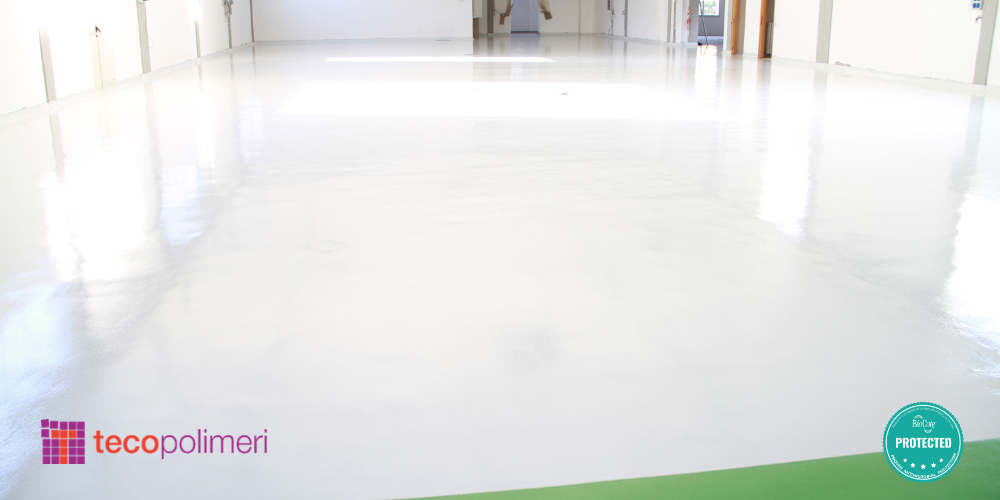
Elevating Hygiene from the Ground Up with Teco Polimeri
Italian flooring specialist Teco Polimeri has integrated BioCote® antimicrobial technology directly into its Linea Antibatterica epoxy resin systems. Designed for demanding food, pharmaceutical, and healthcare environments, these seamless, durable floors provide continuous surface protection against bacterial growth between routine cleaning cycles.