

A smarter approach to high-touch environments
Football stadiums are built for moments of intensity. Thousands of supporters can arrive within a short window, moving through turnstiles, using handrails, taking their seats, visiting kiosks and washrooms, and spending time in hospitality, retail and museum spaces.
That shared use creates a hygiene challenge from the moment gates open. High-touch surfaces can pick up microorganisms through routine contact, and the same touchpoints may be used by hundreds or thousands of people over the course of a matchday. Research into high-touch environments has identified surfaces as potential reservoirs for bacteria, viruses, yeasts and parasites, underlining the importance of effective cleaning and maintenance
The risk is not limited to one area of the venue. Seats, armrests, handrails, turnstiles, door handles, payment terminals, tables, washroom fittings and dispensers can all experience frequent contact in a condensed period of time.
Where bacteria can build up
There is limited published research that quantifies bacterial loads across football-stadium surfaces specifically. However, studies in comparable high-use public environments demonstrate why stadium touchpoints deserve attention.
For example, research in a healthcare setting detected 12,347 bacterial colonies across 400 sampled surfaces. Bed rails and training manikins, both high-contact items contained the widest variety of bacterial species, with 23 and 20 types respectively. In public-restroom research, bacteria have been identified on every sampled surface, including doors, floors, taps and toilet seats. In separate public-restroom research, bacterial communities were identified across ten sampled surface types, including door handles, floors, taps and toilet seats.
For a stadium, the principle is clear: the more often a surface is touched, the greater the opportunity for microbial contamination to accumulate between cleaning cycles. Matchday pressure is then amplified by the wider events calendar. Concerts, conferences, exhibitions and community events all bring new visitor flows, different patterns of contact and additional wear on the venue’s materials.
Routine cleaning and disinfection remain essential. Yet, once a concourse, hospitality lounge or washroom is reopened, those surfaces are immediately exposed to fresh contact. Designing with hygiene in mind therefore means considering how products perform between cleans, as well as how easily they can be cleaned.
Materials that can add value
Not every stadium material is relevant to antimicrobial technology. The greatest opportunity sits with products and finishes that are regularly touched, used in demanding shared spaces and manufactured from treatable materials such as plastics, laminates, textiles and selected coated or powder-coated components.

These can include:
- Seating and spectator areas: Plastic seats, armrests and associated components that receive repeated contact throughout matchdays and events.
- Access and circulation: Access-control hardware, door furniture, handrails, barriers and selected turnstile components.
- Washrooms: Wall cladding, dispensers, grab rails, sanitary accessories and partition systems.
- Hospitality and food service: Tables, counters, trays, vending interfaces and reusable fitting components.
- Retail, museum and conference spaces: Desks, display systems, furniture, payment points and interactive touchpoints.
A number of BioCote® partners offer products that illustrate these applicable categories. SALTO provides access-control solutions relevant to busy entrance and circulation points, while Mediclinics offers washroom equipment for high-use public environments. Bioclad supplies hygienic wall-cladding solutions, and Ponte Giulio produces accessible bathroom and support products, including grab rails and washroom accessories.
These examples are not a prescriptive stadium specification. Instead, they demonstrate how antimicrobial technology can be considered within the products people interact with most frequently across a venue.
Built into the product
One approach is incorporating antimicrobial technology directly into a product during manufacture.
BioCote® antimicrobial technology can be integrated into suitable materials, including plastics, laminates and textiles. When incorporated during the manufacturing process, the technology becomes an intrinsic part of the protected material rather than a temporary treatment applied after installation.
This is particularly relevant in stadium environments, where products may need to withstand high visitor numbers, repeated touch, demanding cleaning routines and a broad mix of uses throughout the year. It offers manufacturers a way to add another layer of product performance without depending on repeated temporary treatments.
BioCote® technology is designed to help reduce the growth of microbes on the protected material throughout its intended lifetime. It does not replace routine cleaning and disinfection; instead, it supports established hygiene regimes by providing built-in protection between cleans.
By considering antimicrobial technology early in product development and specification, manufacturers can ensure the material, integration method, testing approach and product messaging are suitable for the final application.
Testing and responsible claims
BioCote® uses recognised test methods selected according to the material and intended application. ISO 22196 measures antibacterial activity on plastics and other non-porous surfaces, while ISO 20743 applies to textiles and ASTM G21 assesses resistance to fungi. Testing is carried out using treated and untreated control samples to assess the performance of the antimicrobial technology.
Any antimicrobial claim should relate to the specific product, its material and the relevant test conditions. It should not be used as a substitute for robust cleaning protocols or to imply that a product prevents disease transmission.
To find out more about BioCote®'s testing approach and how it can support a specific stadium-related product, contact the BioCote® team.
Designed for every event
The modern stadium is more than a place to watch football. It is also a workplace, concert venue, hospitality setting, retail destination and community space often all within the same week.
That makes durability, cleanability and long-term hygiene considerations increasingly important. By combining appropriate material choices, thorough cleaning practices and built-in antimicrobial technology where relevant, manufacturers and venue operators can help create high-touch spaces that are better prepared for continual use.
BioCote® works collaboratively with manufacturers to integrate antimicrobial technology into suitable products for stadiums, arenas and other high-footfall public environments.

MEBSS : Managing Microorganisms In Veterinary Environments
BioCote® conducted targeted testing against the MEBSS panel, five bacteria relevant to veterinary environments, including MRSA, E. coli, Bordetella, Salmonella, and Streptococcus. Using ISO 22196 methodology, results demonstrated up to 99.98% reduction across all organisms tested, supporting improved surface performance alongside routine cleaning practices.
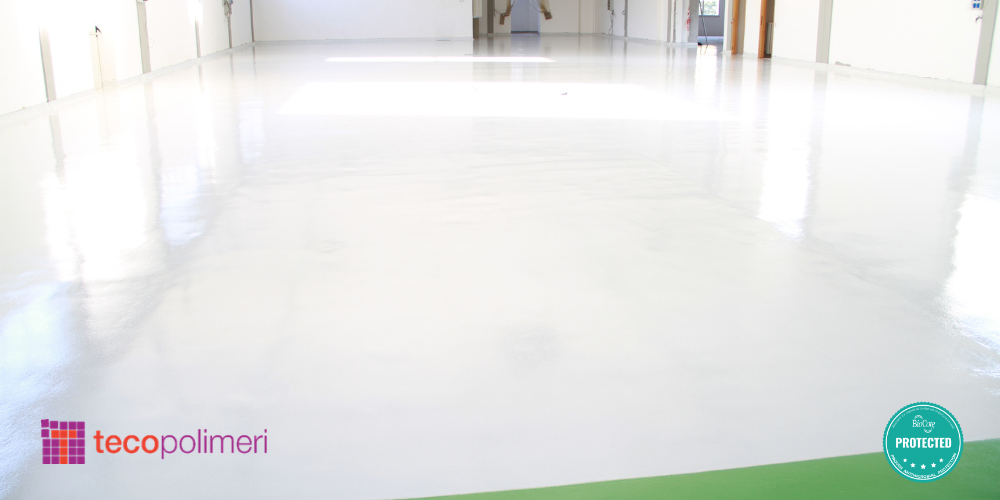
Elevating Hygiene from the Ground Up with Teco Polimeri
Italian flooring specialist Teco Polimeri has integrated BioCote® antimicrobial technology directly into its Linea Antibatterica epoxy resin systems. Designed for demanding food, pharmaceutical, and healthcare environments, these seamless, durable floors provide continuous surface protection against bacterial growth between routine cleaning cycles.