

When it comes to sustainable construction practices in hygiene-critical locations, taking steps to ensure easy maintenance and protection against deterioration is essential. This is especially true for high-traffic areas like hotels, hospitals, offices, and schools, where changing populations require additional attention to cleanliness. By specifying materials and products that complement cleaning protocols, you can greatly reduce cross-contamination and early product failure.
Introducing powerful antimicrobial technology into any permanent or non-permanent feature within a building – think walls, floors, pipes, door handles, worktops, and air conditioning units – can provide long-lasting defence against microbes. This not only enhances overall hygiene levels, but it also gives occupants peace of mind knowing that the building is equipped with the latest in antimicrobial technology.
When products have been integrated with BioCote® they have the power to disrupt the growth and reproduction of these microbes. This means that when bacteria lands on a BioCote® treated surface, the technology interferes with the enzyme production stopping the microbes from reproducing and replicating.
Antimicrobial Construction Materials
Some examples of construction materials that can be treated with antimicrobial technology include laminates, paints and coatings, plastics, ceramic coatings, fabrics, resin flooring, and PVC. Incorporating these materials into building designs can help to create more durable environments.
It’s important to consider options that offer antimicrobial properties when selecting construction materials for your next project. These materials actively work to prevent the growth and spread of microorganisms like bacteria and fungi, making them an attractive choice for sustainable construction practices. Incorporating antimicrobial technology into construction materials can help to reduce the spread of these microbes and extend the life of construction items.
Built to last!
BioCote® technology compliments cleaning practices and will work 24/7 for the lifetime of the product. Scientific research has shown that materials containing BioCote® are particularly effective against a wide variety of microbes and can control bacteria and mould.
Products treated with BioCote® offer many benefits:
- Decrease microbes by up to 99.99%
- Reduce the potential of cross-contamination
- Prevent mould growth
- Preserve freshness
- Extend the product’s lifespan by guarding against biodeterioration
Common Microbial Threats
Microbes can be found almost anywhere and when left untreated can multiply, doubling every 4 to 20 minutes. A construction environment provides almost perfect conditions for the existence and growth of microbes such as bacteria and mould. Neglecting proper cleaning procedures and recirculated air can contribute to the spread of microbes from one surface to another. Untreated products can result in discolouration, unpleasant odours, and decreased product quality.
Without antimicrobial technology, construction materials and items are vulnerable to a variety of microbial threats. Poor ventilation, high humidity, and poor sanitation can contribute to the spread of microbes, which can thrive in buildings and rapidly degrade surfaces, ultimately leading to costly damages and reduced product lifespan. With antimicrobial products, you can promote sustainable construction practices and ensure that buildings are more durable and long-lasting.
Industry applications
Antimicrobial additives can be incorporated into various stages of the construction or refurbishment process. For instance, antimicrobial coatings can be applied to walls, floors, and ceilings to prevent the growth and spread of microbes. They can also be incorporated into plastics and laminates used for furniture, fixtures, and fittings. Additionally, this technology can be mixed with concrete, tiles, and grout to create antimicrobial surfaces in bathrooms, kitchens, and other areas where hygiene levels are more easily compromised.
Although BioCote® isn’t industry-specific, our technology can be especially beneficial in high-traffic areas such as hospitals, schools, and commercial buildings, these environments are more susceptible to the spread of microbes. Antimicrobial technology can also help to reduce maintenance costs and increase the lifespan of building materials, making it a cost-effective solution for sustainable construction practices.
Products packed with BioCote® Antimicrobial Technology
From construction, decorating, and through to fitting – innovative brands are using BioCote® technology to fulfill project goals by providing products that are not compromised by microbes. These include pipes from Polypipe, wall claddings from BioClad, sealants from Hodgson Sealants, laminate from Omega®, shower products from Mira Showers, paints from HMG Paints Limited, specialist flooring from John Lord and many more products to outfit your home from furniture to kitchen supplies.
Overall, the benefits of antimicrobial technology for sustainable construction practices are clear. So, whether you’re building a new home or designing a commercial space, consider incorporating antimicrobial technology into your materials selection process.
For any enquiries regarding our technology, please contact our team on [email protected] or call us on +44 (0) 2477 712 489. We would love to hear from you!

MEBSS : Managing Microorganisms In Veterinary Environments
BioCote® conducted targeted testing against the MEBSS panel, five bacteria relevant to veterinary environments, including MRSA, E. coli, Bordetella, Salmonella, and Streptococcus. Using ISO 22196 methodology, results demonstrated up to 99.98% reduction across all organisms tested, supporting improved surface performance alongside routine cleaning practices.
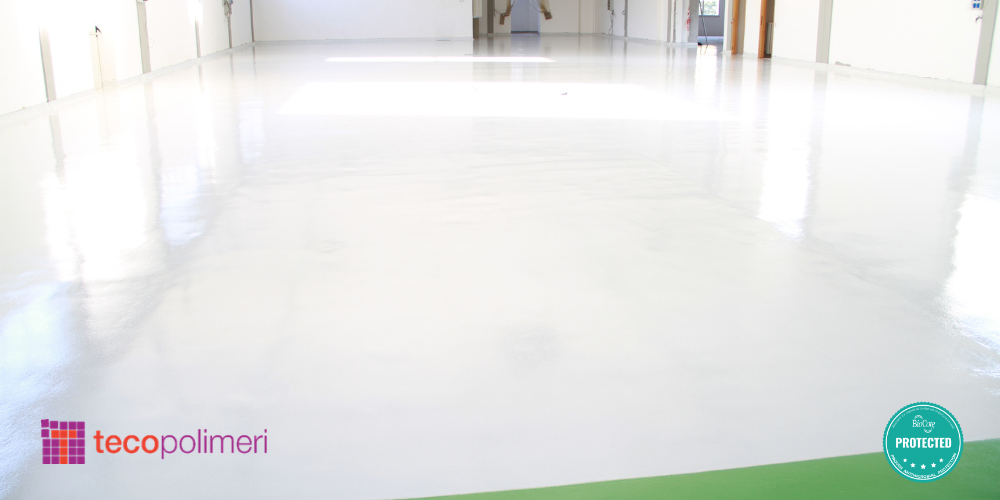
Elevating Hygiene from the Ground Up with Teco Polimeri
Italian flooring specialist Teco Polimeri has integrated BioCote® antimicrobial technology directly into its Linea Antibatterica epoxy resin systems. Designed for demanding food, pharmaceutical, and healthcare environments, these seamless, durable floors provide continuous surface protection against bacterial growth between routine cleaning cycles.